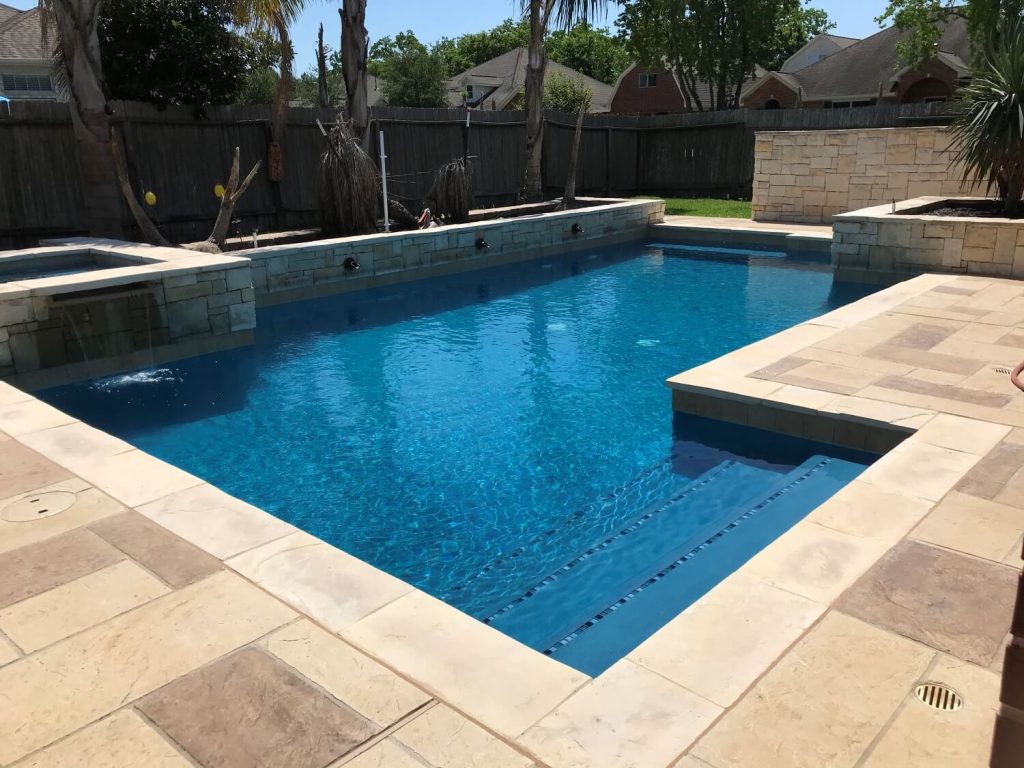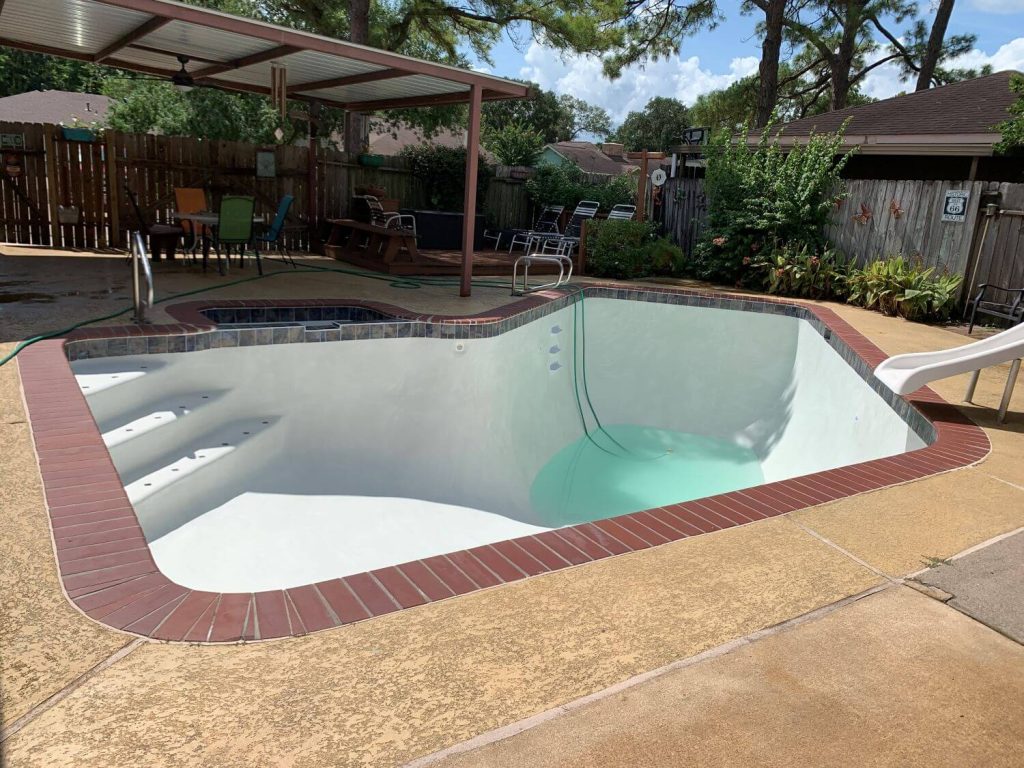
Swimming areas need to be carefully designed to ensure they are visually appealing, durable, and safe for regular use. Plastering is probably the most essential maintenance work for a pool. Over time (mostly due to water chemicals, weather, and extended use), pool surfaces naturally wear down. That is why homeowners flock to professional pool plastering services in Houston to restore their pools and extend their lifetimes. Pool owners can find reliable plastering and resurfacing services to improve the appearance and performance of residential and commercial pools at Tinos Pool Plastering.
What Is Pool Plastering?
The method of applying a smooth protective coating on the inside surface of a pool is referred to as pool plastering. This finish forms the waterproof barrier that covers the structure and protects the pool. Professional swimming pool plastering in Houston, TX, typically involves surface preparation, repair of damaged areas, and application of a new plaster finish to provide a clean, shiny surface. Pool plaster is prepared in a variety of materials and finishes, such as:
- White plaster
- Quartz finishes
- Pebble finishes
- Colored plaster options
Different textures, durability, and visual appeal are achievable for some materials than others.
Signs Your Pool Needs Replastering
Pool plaster, as it happens, deteriorates over time. Identifying early warning signs can also help avoid larger problems and costly repairs. Signs of a pool replastering can look something like this in Houston, TX:
Surface Stains – Sustained discoloration and stains typically mean that the plaster is old enough that it cannot resist mineral deposits or chemical insults.
Rough Texture – If the pool surface looks rough, it may be coming apart; the plaster wears away, exposing the underlying material.
Cracks or Chips – When cracks, chips, or peeling plaster are visible, they can lead to water leaks and structural damage if left unaddressed.
Water Loss – Unexpected water loss may represent cracks or weakened plaster, both of which need professional treatment.
Outdated Appearance – Older plaster can give the pool an overall rough, ugly look, diminishing the appeal of your outdoor area.
How Often Should the Pools Be Re-plastered?
Most pools need to be re-plastered every 7 to 15 years, depending on usage, maintenance, water chemistry, and plaster type. The next step is to perform regular inspections to decide when resurfacing is warranted. Preparation for the right-time pool replastering services is a good idea because it is best to have work done by a professional pool replastering office in Houston, TX, to avoid bigger structural problems later on.
Professional plastering can significantly improve your pool surface if it is stained, cracked, or simply not functional; if your pool is stained, cracked, or outdated, professional plastering can transform it entirely. Consult veterans to get the job done: Experienced craftsmen ensure quality craftsmanship and lasting results. Tinos Pool Plastering gives real-time pool plastering and resurfacing for customers with businesses for household and office buildings across Houston.